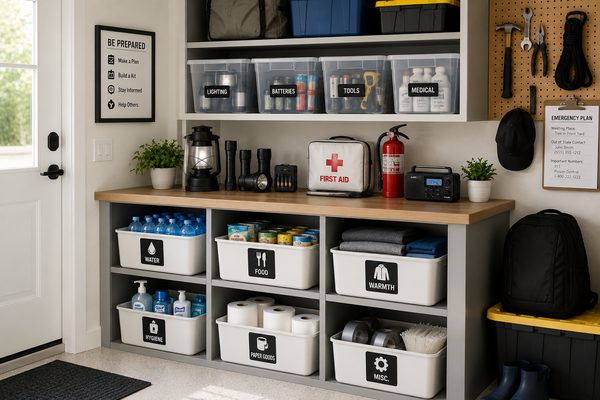
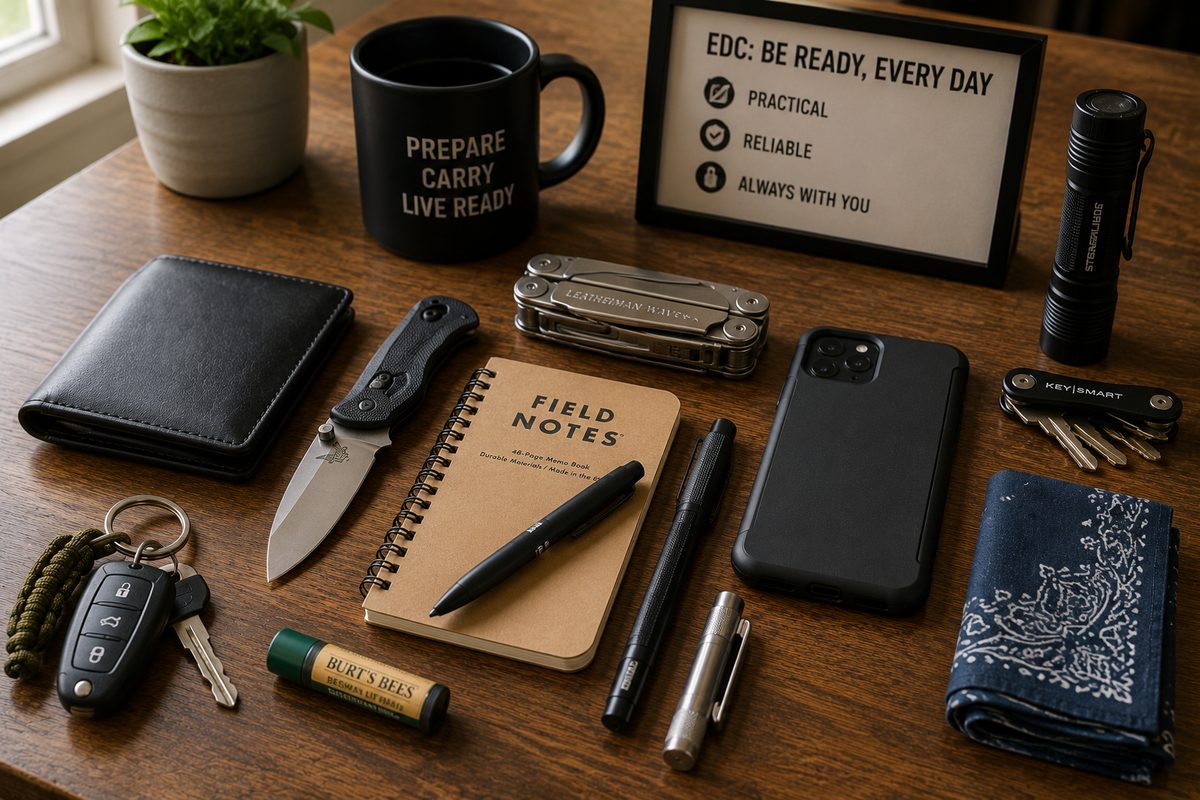
It’s easy to buy your way toward feeling prepared — a power station here, a case of water there. But gear without the skills to use it is just stuff in a closet. The most resilient families aren’t the ones with the most equipment; they’re the ones who’ve practiced the handful of skills that actually matter when an ordinary day goes sideways.
Skills weigh nothing, never need batteries, and can’t be looted from a store shelf. Spend at least as much time learning as you do buying.
1. Stop the bleed, start the breathing
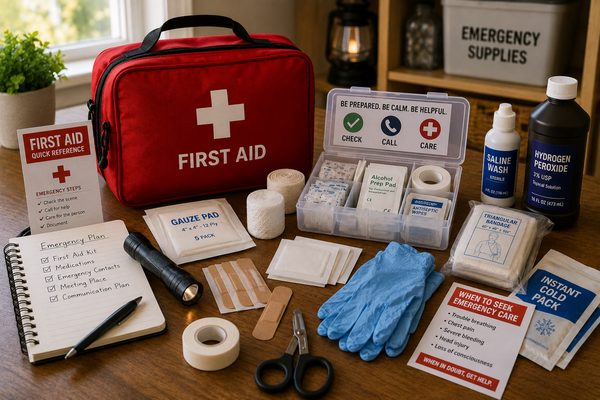
If you learn one thing, make it hands-on CPR and basic first aid — how to help someone who’s choking, control serious bleeding, and respond to a cardiac emergency. A few hours with the Red Cross, your fire department, or a local hospital is the single highest-leverage time you can spend on preparedness. Pair it with a well-stocked first-aid kit you actually know how to open.
2. Know how to shut your house off
Every adult in the home should be able to find and operate the water main, the gas shutoff, and the electrical panel — in the dark, without looking it up. A burst pipe or a gas smell is not the moment to learn where the valve is. Walk the house once, label the shutoffs, and show everyone. Five minutes now saves a flooded floor later.
3. Handle a small fire (and know when not to)
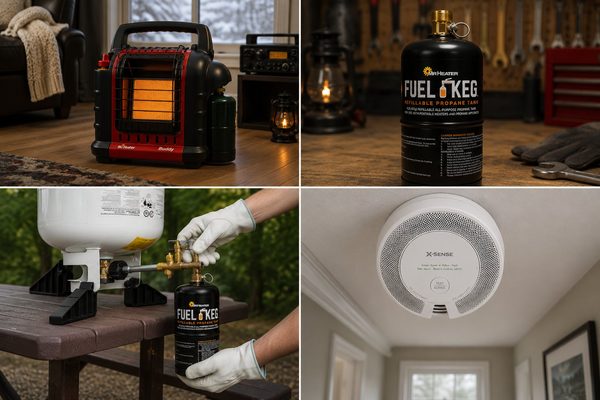
Working smoke and carbon-monoxide alarms, a fire extinguisher you know how to use (remember PASS: Pull, Aim, Squeeze, Sweep), and a practiced escape plan with a meeting spot. Just as important is judgment: a small stovetop fire is one thing; anything bigger means get everyone out and call 911. Decide that in advance.
4. Make water and food work without power
Know how to treat questionable water (boiling, filtering, or disinfecting) and how to cook a meal when the power’s out — a simple camp stove used outdoors, or no-cook pantry meals. These pair with your stored water and a deeper pantry, but the skill is knowing how to use them calmly.
5. Communicate when the network is down
Practice your family communication plan before you need it: who checks in with whom, where you meet, and which device to use. Learn to operate your two-way radios, and if you want the deepest layer, work toward your ham radio license. A plan you’ve never rehearsed is just a hope.
6. Get your documents and basics in order
Not glamorous, but it’s a skill of habit: copies of IDs, insurance, and key records in one grab-and-go folder (and a backup); a little cash in small bills for when card readers are down; and a current contact list on paper. The calm of an emergency often comes down to not scrambling for paperwork.
The real skill: practice
Reading this list isn’t the same as being able to do it. Pick one item a month and actually practice it — find the shutoffs, take the CPR class, do a no-power dinner, run a five-minute check-in drill with the family. Repetition is what turns knowledge into the quiet confidence that you’ll know what to do.
New to all of this? Start with the calm, ordered path in our Start Here guide, then build from the base of the Preparedness Pyramid up.